The first set of wheels a toddler calls their own often gets chosen in a hurry. A birthday is close, the shop has one left in red, and it looks sturdy enough. Then it comes home and the seat is too tall, the pedals sit just out of reach, or your child would rather push the thing around the garden than sit on it. Balance bikes and tricycles look like two versions of the same idea, but they ask very different things of a small rider — and knowing which one fits your child right now saves months of frustration.
What Each Ride-On Actually Asks of a Child
The balance bike
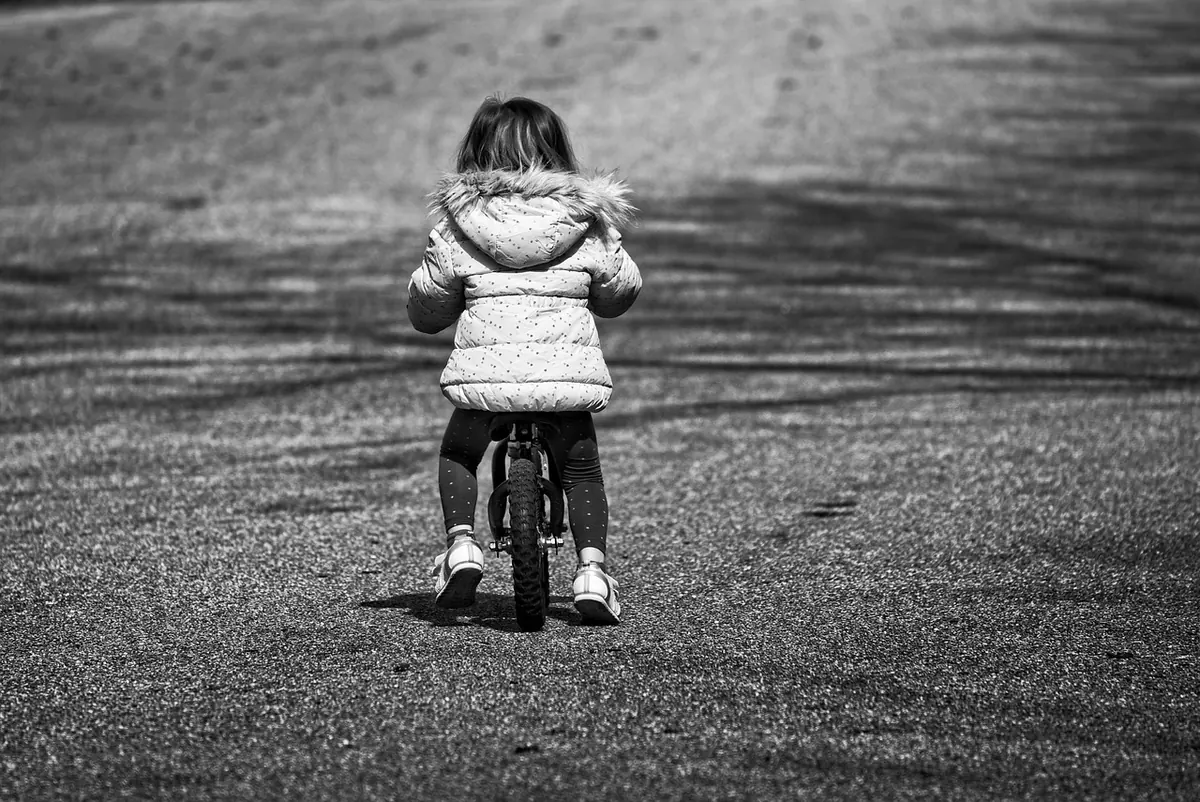
A balance bike is a two-wheeled frame with no pedals and a very low seat. Your child sits, walks it forward, and eventually pushes off to coast with both feet up. Because the feet stay close to the ground, stopping is simply a matter of putting them down. Steering is the only real control to think about, which is why most children pick it up within a few short sessions.
The tricycle
A tricycle has three wheels, a pedal crank on the front wheel, and a fixed steering column. It stands up on its own, which is exactly why it feels like the safer bet. The catch is that pedalling a trike is a genuine coordination job: pushing the pedals forward while also steering the front wheel takes practice, and plenty of two-year-olds end up resting their feet on the pedals while an adult pushes from behind.
Age and Fit: What to Check Before You Buy
Ignore the age printed on the box and look at your child's body instead. On a balance bike, they should be able to sit with both feet flat on the ground and a slight bend in the knees. If the seat cannot drop that low, the bike is too big and they will not trust it.
On a tricycle, sit your child on the seat and watch the pedals. They need to reach the pedal at its furthest point without stretching or sliding off the seat. Some trikes have adjustable seats and handlebars; many do not. Measure your child's inside leg at home and take the tape measure to the shop.
A rough pattern: balance bikes tend to suit roughly 18 months to five years, depending on frame size, while tricycles are usually built for about two to four years. A cautious child who likes being pushed will often take to a trike first. A confident walker who climbs everything in sight usually takes to a balance bike immediately.
Safety: Where the Risks Differ
- Tip-overs. Tricycles tip when a child pedals hard on a slope or turns sharply, because the rider sits high and the wheelbase is narrow. Balance bikes sit low with feet hovering near the ground, so a wobble is usually just a wobble.
- Speed. Balance bikes can coast faster than you expect on any kind of hill. Stick to flat, smooth ground at first and stay within arm's reach.
- Brakes. Many balance bikes have no brake at all, or a small rear hand brake that tiny hands struggle to squeeze. Teach feet-first stopping before anything else.
- Helmets. Both need one, every ride, from the first day. A helmet should sit level, two fingers above the eyebrows, with the strap snug under the chin.
- Boundaries. Driveways, car parks and roads are out. A flat path, an empty tennis court, or short grass away from traffic is ideal.
- Loose parts. Check trike pedals, grips and any chain guard for sharp edges and pinch points before the first ride.
If your child has low muscle tone, a diagnosed balance or coordination difficulty, or any ongoing physical condition, ask your pediatrician or a physical therapist which style suits them before you spend money.
What Your Child Actually Learns
The two toys train different muscles and different instincts.
- Balance bike: balance, steering, weight shifting, gliding, and the habit of scanning the ground ahead. These transfer almost directly to a pedal bike, which is why many children move straight to two wheels without training wheels.
- Tricycle: the alternating push-pull motion of pedalling, basic steering, and confidence on something that moves. It is also a lovely social toy — toddlers happily push each other around a patio for half an hour.
Signs your child is nearly ready for a pedal bike after a balance bike: coasting with both feet up for several seconds, steering around cones or cracks, and stopping deliberately by putting a foot down.
Cost, Storage and Longevity
Balance bikes range from basic wooden models to adjustable metal frames with pneumatic tyres. The cheaper end does the job for a season; the pricier end adjusts through several growth spurts and tends to hold its resale value. Foam tyres never go flat but grip poorly on gravel; pneumatic tyres ride better but need air. Weigh the bike yourself — if you cannot carry it one-handed while holding a toddler's hand, it will annoy you daily.
Tricycles are heavier, bulkier and often fixed in size, so they are outgrown sooner and take up more space in a shed. They do get handed down for years, though, and the classic metal ones survive a lot of abuse.
A Quick Way to Decide
- Measure your child's inside leg and check the seat height range on any model you are considering.
- Watch how they play for a week. Do they climb, run and launch themselves off the sofa? Balance bike. Do they prefer to be pushed and steered? Tricycle.
- Think about where they will ride. Smooth pavement and paths suit either. Rough ground, slopes or gravel favour a balance bike with proper tyres.
- Consider your storage. If space is tight, a balance bike hangs on a wall hook; a trike does not.
Getting Started Without Tears
Lower the balance bike seat so your child's feet are flat on the ground, and let them walk it around for the first few sessions. Do not push them along by the handlebars — they need to feel their own weight shift. Keep rides to ten or fifteen minutes, end while it is still fun, and add a gentle slope only once they are lifting their feet on their own.
For a tricycle, practise pedalling on flat ground with you standing beside the front wheel. Point to one pedal and ask them to push it down, then the other. It may take weeks. That is normal.
Whichever you choose, buy a helmet at the same time, use it every single ride, and let your toddler "help" fasten the strap. The toy that gets ridden is the one that fits, so bring your tape measure and your patience — and let them sit on it before you pay.
Photo: MabelAmber / Pixabay